How Merrick-Moore School Came to Be
By Mae Rodney
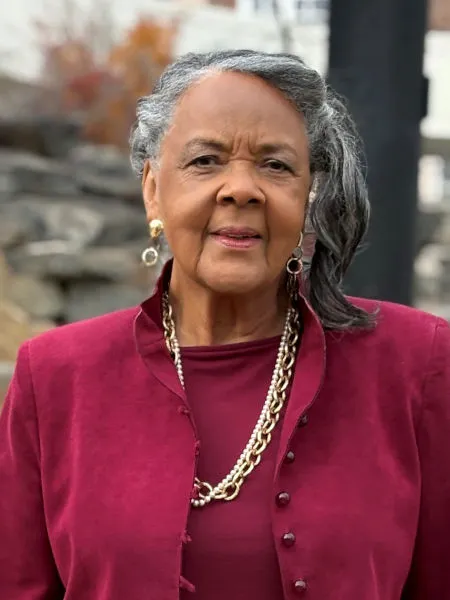
Check out Mae Rodney’s books: https://mrodneybooks.com/
A series of state laws were enacted between 1930 and 1950 which created the need for Merrick-Moore school.
1931and 1933: NC School Machinery Act transferred financial support and control to the state from counties. The law proposed new sales taxes would be collected to build public schools. No directions were provided for the tax collection. (The law was passed during the peak years of the depression when the state was almost bankrupt.)
In 1942 the 12th grade was added to the high school requirements; the school year was extended to nine months in 1943. Compulsory school attendance was increased to 16 years old in 1946.
In 1949 a $50 million state bond was approved to construct public schools. $500,000 was allocated to construct the Rocky Knoll school. Before the 1950 opening, the name was changed to Merrick-Moore.
1949-1950 an all brick school was for African American students who lived in the Northern and Southern sections of the county was built. Students from Rocky Knoll, Page and Mill Grove were to attend the new school. It had seventeen classrooms, a cafeteria, library and combination auditorium gymnasium.
The school was significant. Small community schools scattered around the county were no longer maintained. The school would have space for all grades along with sufficient space to respond to the increased enrollment from the laws implemented between 1942-1946.
Parents realized the school was historical, so an appropriate name had to be selected. They decided on a name that celebrated the accomplishments of African Americans in Durham.
The school is a historical marker to their outstanding contributions to Durham.
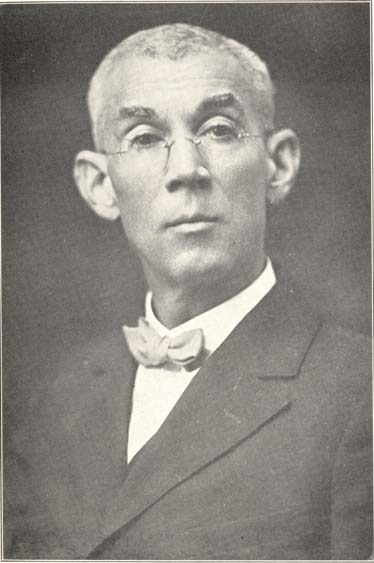
John H. Merrick (1859-1919) a barber, was a visionary businessman, land owner, and philanthropist. Merrick created the foundation for an insurance industry to cover the African American needs which became the North Carolina Mutual Life Insurance company. Merrick was the president of the firm from 1901 until his death in 1919. He and Arron Moore were instrumental in establishing the Lincoln Hospital for African Americans, (1901-1973). They also participated in founding the Bull City Drug Store and the Mechanics and Farmers Bank. The teams’ vision and leadership were present in the development of National Training Chautauqua now North Carolina Central as well as two churches White Rock Baptist and St Joseph AME. Merrick purchased and sold land to help establish a Negro Library. These organizations were the cornerstones for a strong black economic community.
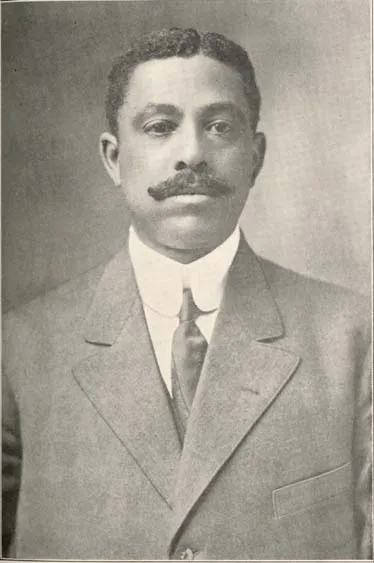
Dr. Aaron Moore (1864-1923) was the first Black physician in Durham. Moore was the president of North Carolina Mutual Life Insurance from 1919-1923 The two men were instrumental in providing the strong foundation for the Durham’s Black Wall Street.